
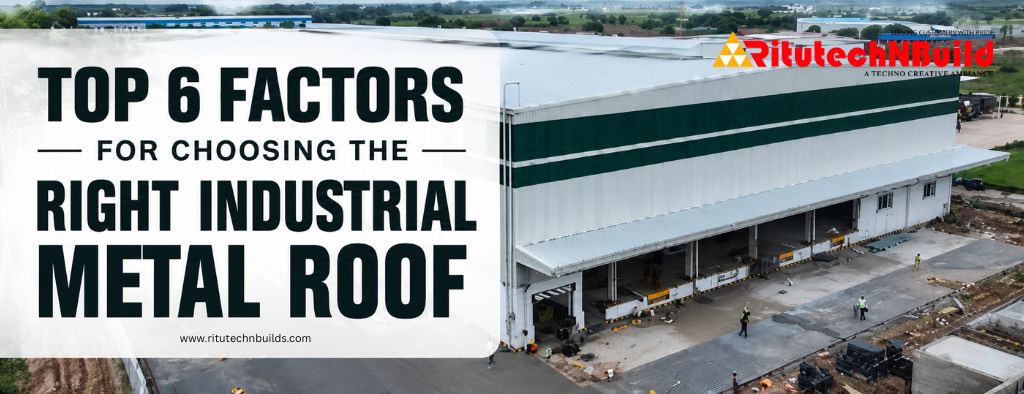
A metal roof is an excellent choice for industrial buildings because it offers strength, durability, weather resistance, and low maintenance requirements. With a lifespan of 40–70 years or more, depending on the material, coating, installation, and maintenance, metal roofing provides a long-term solution for factories, warehouses, workshops, and manufacturing units.
The performance and sustainability of an industrial roof largely depend on the quality of the roofing materials. Reputed Metal Roof Manufacturers, such as Ritutech N Build, design and supply quality metal roofing sheets for industrial and commercial applications. These sheets can offer corrosion resistance, effective heat reflection, and protection against harsh weather conditions when the right material and coating are selected.
Metal roofing sheets are available in various profiles, thicknesses, finishes, and colors to suit different industrial requirements. However, choosing the right roofing system requires careful consideration of your building’s purpose, location, budget, and structural design. Let’s explore the essential factors to consider when selecting the perfect metal roof for your industrial building.
Top 6 Factors for Choosing the Right Industrial Metal Roof
1. Understand Your Industrial Building Requirements
Every industrial building has different roofing requirements depending on its size, operations, and working environment. Before selecting roofing sheets, identify the purpose of your facility and the conditions the roof must withstand.
For example:
- Steel Roofing Sheets: Steel is a popular choice for factories, warehouses, workshops, and manufacturing facilities because of its strength, durability, and cost-effectiveness. Protective coatings can help improve corrosion resistance and extend service life.
- Aluminum Roofing Sheets: Aluminum is lightweight and naturally corrosion-resistant, making it suitable for industrial buildings in coastal or humid environments.
- Galvanized Steel Sheets: These sheets feature a zinc coating that helps protect steel against corrosion and are widely used in industrial and commercial roofing applications.
- Pre-Painted Metal Roofing Sheets: These sheets combine protective coatings with an attractive finish and are available in different colors to suit industrial buildings and corporate facilities.
The right choice depends on the building’s structural requirements, environmental exposure, and expected service life.
2. Consider Local Weather Conditions
Weather plays an important role in the performance and durability of industrial roofing. Selecting the right metal and coating can help protect your facility from heat, rain, humidity, and corrosion.
- Hot and Humid Climates: Choose roofing sheets with suitable reflective coatings to reduce solar heat absorption and improve indoor thermal comfort. Proper insulation and ventilation can further improve energy efficiency.
- Heavy Rainfall Areas: Select roofing profiles with suitable drainage capacity and ensure proper slopes, overlaps, and waterproofing details to minimize leakage.
- Coastal and High-Humidity Locations: Aluminum or appropriately coated steel sheets can help resist corrosion caused by moisture and salt exposure.
- Areas with Strong Winds: Ensure the roofing system, fasteners, and supporting structure are designed to withstand the expected wind loads.
- Industrial Areas with Chemical Exposure: Evaluate the surrounding environment carefully and select coatings and materials compatible with the specific chemicals and pollutants present.
Considering local weather conditions during the selection process can help reduce maintenance requirements and improve the roof’s long-term performance.
3. Select the Right Roofing Profile for Your Industrial Building
Metal roofing sheets are available in different profiles, each offering specific benefits for industrial applications. The right profile depends on the building span, roof slope, drainage requirements, and architectural design.
Common options include:
- Corrugated Metal Roofing: Features a wavy profile that provides structural stiffness and is commonly used for factories, workshops, storage sheds, and industrial buildings.
- Trapezoidal Roofing Sheets: These sheets feature angular ribs and are suitable for many industrial and commercial roofing applications where strength and efficient water drainage are important.
- Standing Seam Roofing: Features raised seams that join adjacent panels. Depending on the system, it can provide effective weather protection and a clean, modern appearance.
- Insulated Roofing Panels: These systems combine metal facings with an insulating core to help control heat transfer and improve indoor comfort. They can be useful for temperature-sensitive industrial operations when properly specified.
Before choosing a profile, consider the building dimensions, structural support spacing, roof pitch, and installation requirements.
4. Compare Cost, Durability, and Energy Efficiency
The initial price of metal roofing is only one part of the overall investment. Industrial buildings often cover large areas, so even small differences in material performance, installation costs, and maintenance can affect the total project budget.
Compare roofing options based on:
- Initial Cost: Evaluate material prices, transportation, installation, and supporting structure requirements.
- Durability: Consider the metal thickness, protective coating, environmental exposure, and expected service life.
- Energy Efficiency: Reflective finishes, suitable insulation, and adequate ventilation can help manage indoor temperatures and potentially reduce cooling costs.
- Maintenance: Choose materials and finishes that suit the building’s operating environment and maintenance capabilities.
- Long-Term Value: Consider the expected service life, repair requirements, and replacement costs before making a final decision.
A high-quality roofing system may require a higher initial investment, but selecting the right specifications can help deliver better long-term value.
5. Check Installation Quality, Warranty, and Safety
Even high-quality metal roofing sheets may underperform if they are installed incorrectly. Proper installation is essential to minimize leakage, prevent premature deterioration, and maintain the roof’s structural performance.
Before finalizing your roofing system, check the following:
- Professional Installation: Ensure the roofing sheets are installed according to the manufacturer’s recommendations and approved construction drawings.
- Structural Compatibility: Verify that the roof framing, purlins, and supporting structure can accommodate the selected roofing system and applicable loads.
- Leakage Protection: Pay attention to sheet overlaps, fasteners, flashing, gutters, and roof penetrations.
- Warranty Coverage: Review the warranty terms for the metal coating, corrosion resistance, and other applicable product features.
- Industrial Safety: Ensure installation work follows appropriate safety procedures, particularly for work at height.
Proper planning and installation can help improve the reliability and service life of an industrial roofing system.
6. Choose a Reputed Metal Roof Manufacturer
Selecting a reliable manufacturer is essential for obtaining consistent product quality and roofing materials suitable for your industrial project. An experienced supplier can help you identify appropriate sheet profiles, material specifications, coatings, and finishes.
When choosing a manufacturer, consider:
- Product quality and consistency.
- Availability of different roofing profiles and specifications.
- Material thickness and coating details.
- Relevant quality certifications and technical documentation.
- Delivery schedules and product availability.
- Technical support and warranty terms.
Ritutech N Build is a supplier of metal roofing solutions for industrial and commercial applications. The company offers roofing products designed to meet different project requirements. You can explore its metal roofing solutions to learn more about available options for your industrial building.
Conclusion
Choosing the perfect metal roof for your industrial building requires careful consideration of material quality, weather conditions, roofing profiles, energy efficiency, installation, and long-term costs. Whether you are constructing a factory, warehouse, manufacturing unit, or workshop, the right roofing system can help protect your facility and support efficient building operations.
Partnering with a reliable supplier such as Ritutech N Build can help you explore suitable metal roofing options for your project. Evaluate your building requirements, compare product specifications, and select a roofing solution that offers the right balance of durability, performance, and cost-effectiveness.
Looking for metal roofing solutions for your industrial building? Visit Ritutech N Build to explore available roofing products and discuss your project requirements.

